

Dominic’s Cup
“and the wonderful word YET!”


My cousin Dominic DiMauro, a marvelous potter and adventurer, posted on his social media about a beautiful cup he’d made that could not hold water. The glaze had ‘bubbled’ on the inside and he couldn’t file it down or fix it in any ceramic way, and it was certainly not going to work as a coffee cup, so he couldn’t sell it. It was worthless. He was going to discard it, but instead, he decided to take it home.
He wrote: “In every life, (or wood-firing), a little rain. The exterior of this cup is a dream come true, more natural variation in color and texture than I could hope for. The interior? Heartbreak hotel, the glaze being a bubbled, blistered mess, with sharp chipping edges, rendering it un-sellable. Just making it usable will require a ton of sanding and grinding, which could break the pot, given the amount of work it needs. Into the home collection it goes.
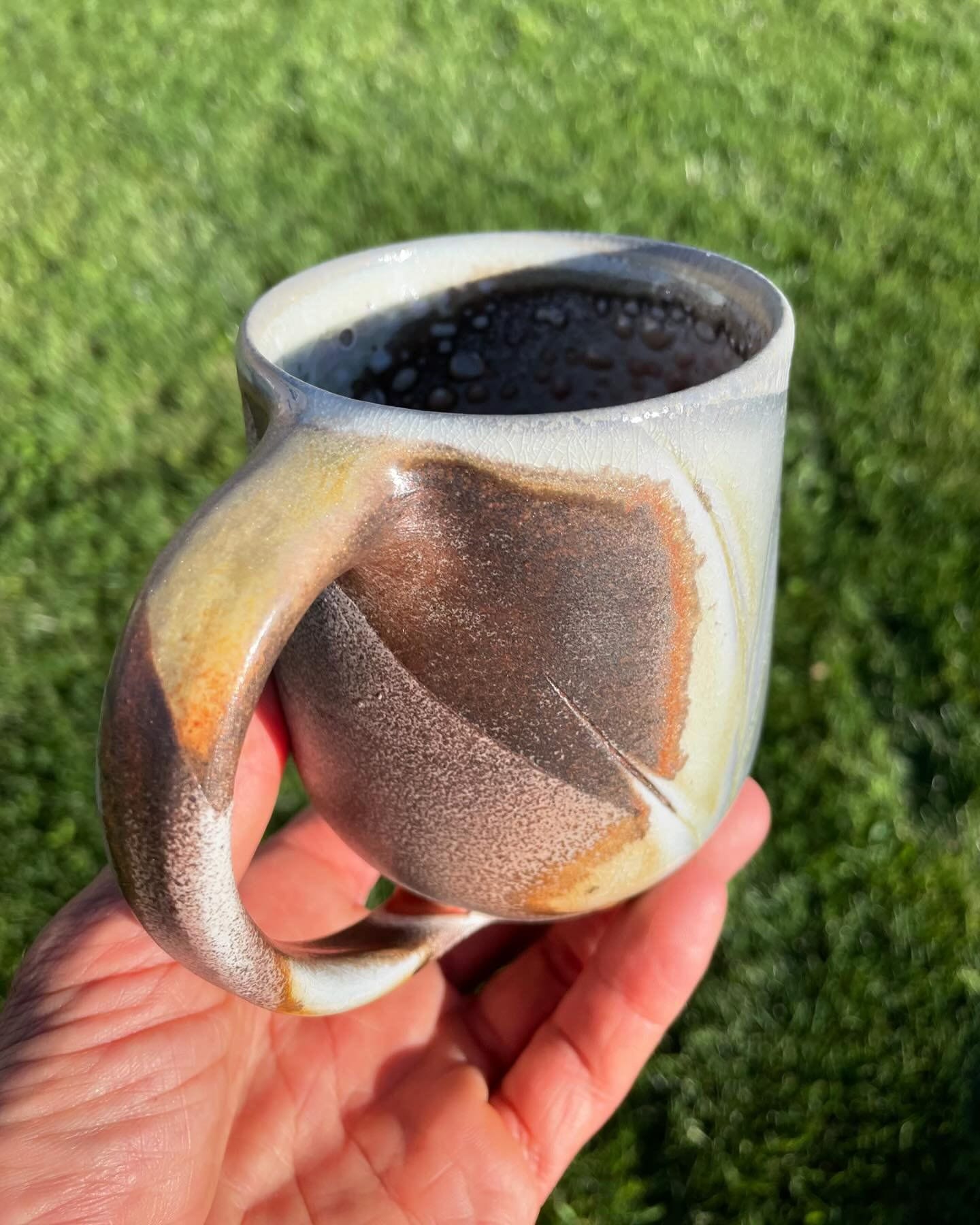
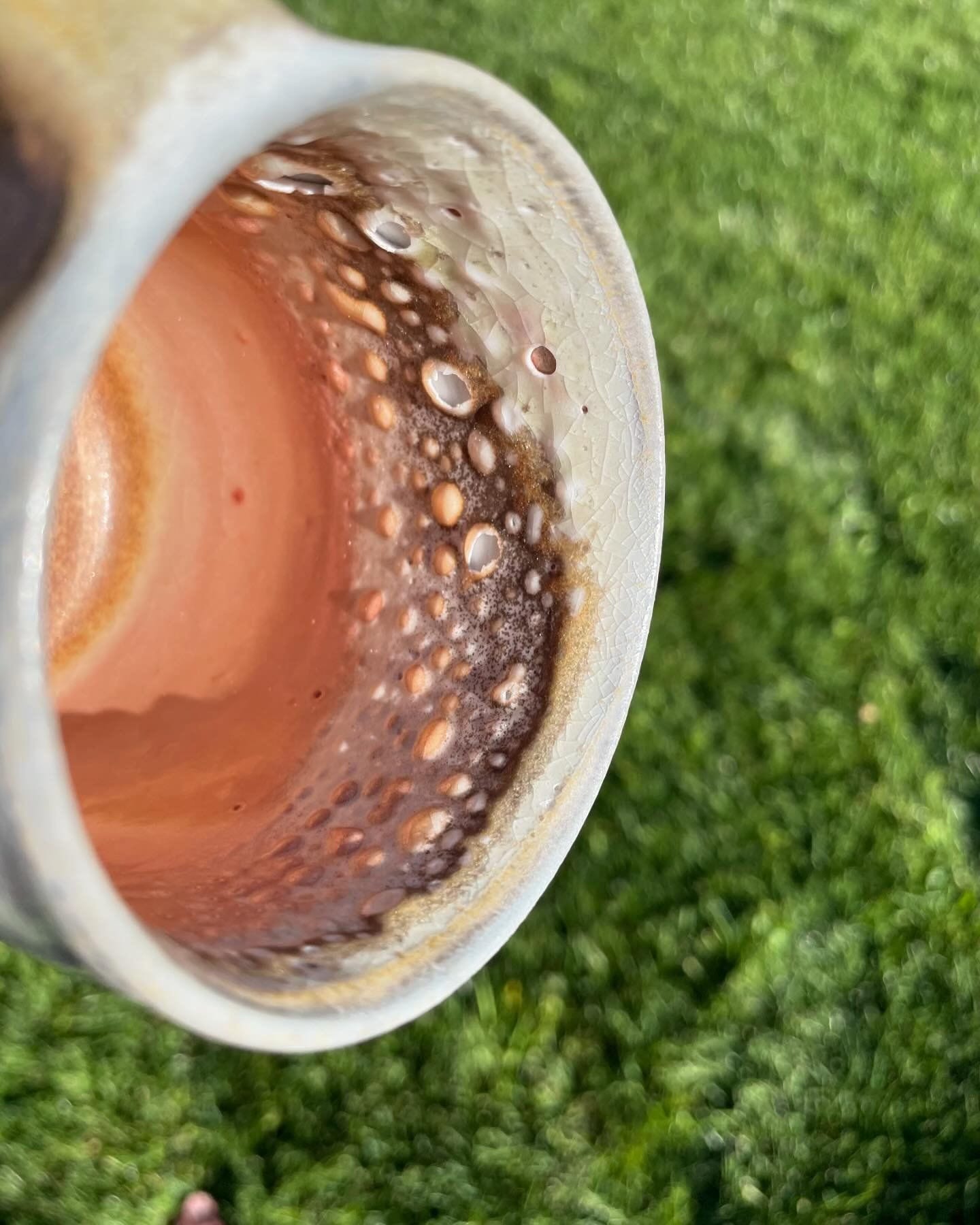
Like Dominic, I would certainly take this cup home, even if I didn’t know what to do with it, … YET! There’s that word, … YET!. It’s a great word. When my kids were little and struggling with learning a new skill of some sort and they’d try and try, and then shrug and sigh, and shake their heads and say to me, …
“Dad! I can’t do this! I’ve tried and I know I can’t do it!” And I’d say ….
“C’mon! You know the rule! What‘s the rule in our family?” And they’d heave a sigh again, … and say
“It’s okay to say ‘can’t’ in a sentence, … as long as we say YET! at the end of the sentence.” And I’d say
“Hooray!”
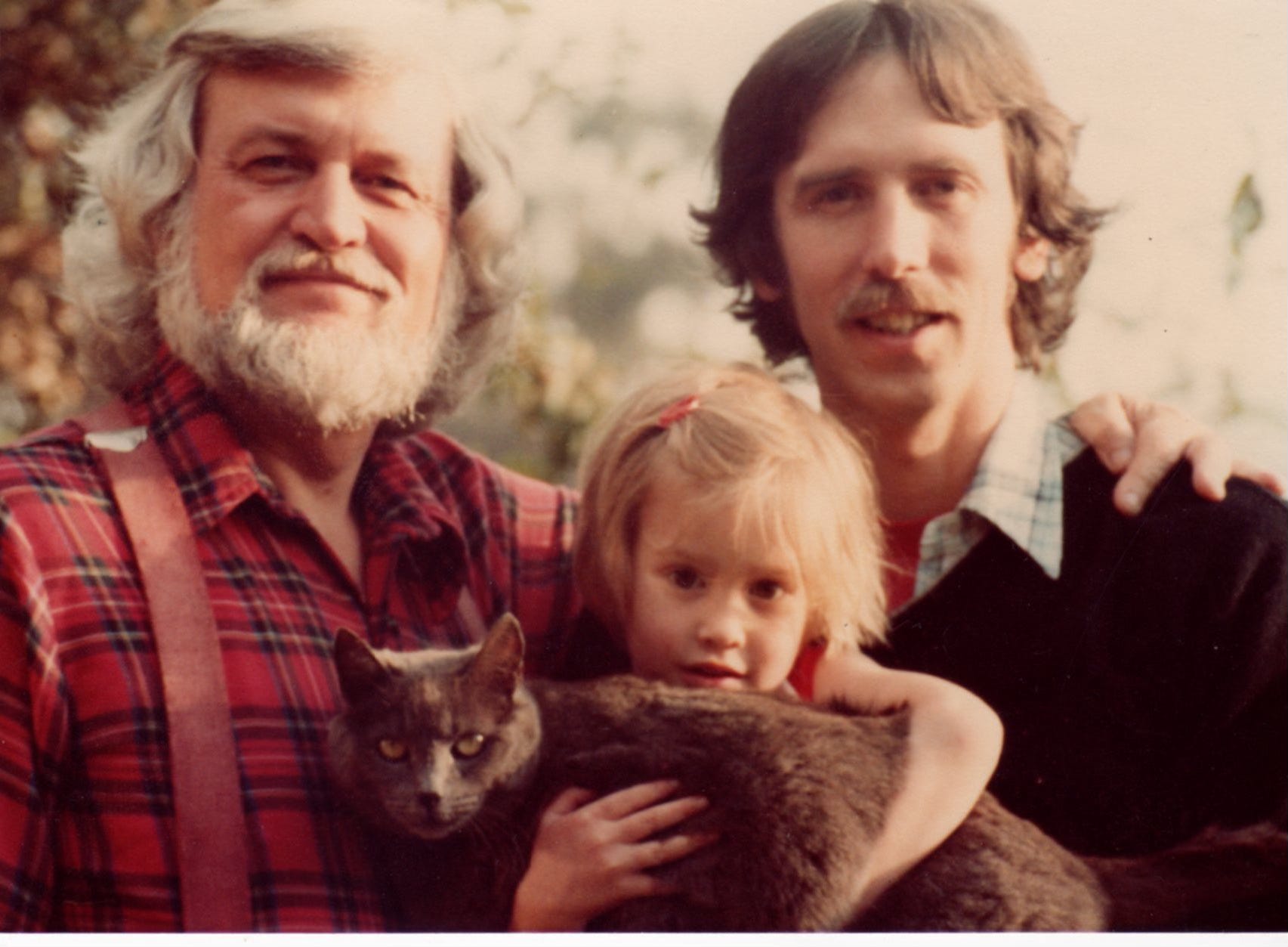
My old friend and teacher Utah Phillips would often point out how our capitalist system teaches us that the value of ‘anything’ in our culture can be assigned a dollar-amount price, simply by passing it through a ‘cash nexus’ to establish a value or worth. And that has become our ‘go-to’ process. So when we have an important decision to make about how to live our life, we use this familiar pricing metric to decide the choice we make. Problem is, … once we adopt a mindset based on a dollar value, we use it on everything, … ourselves, our time and the people around us!
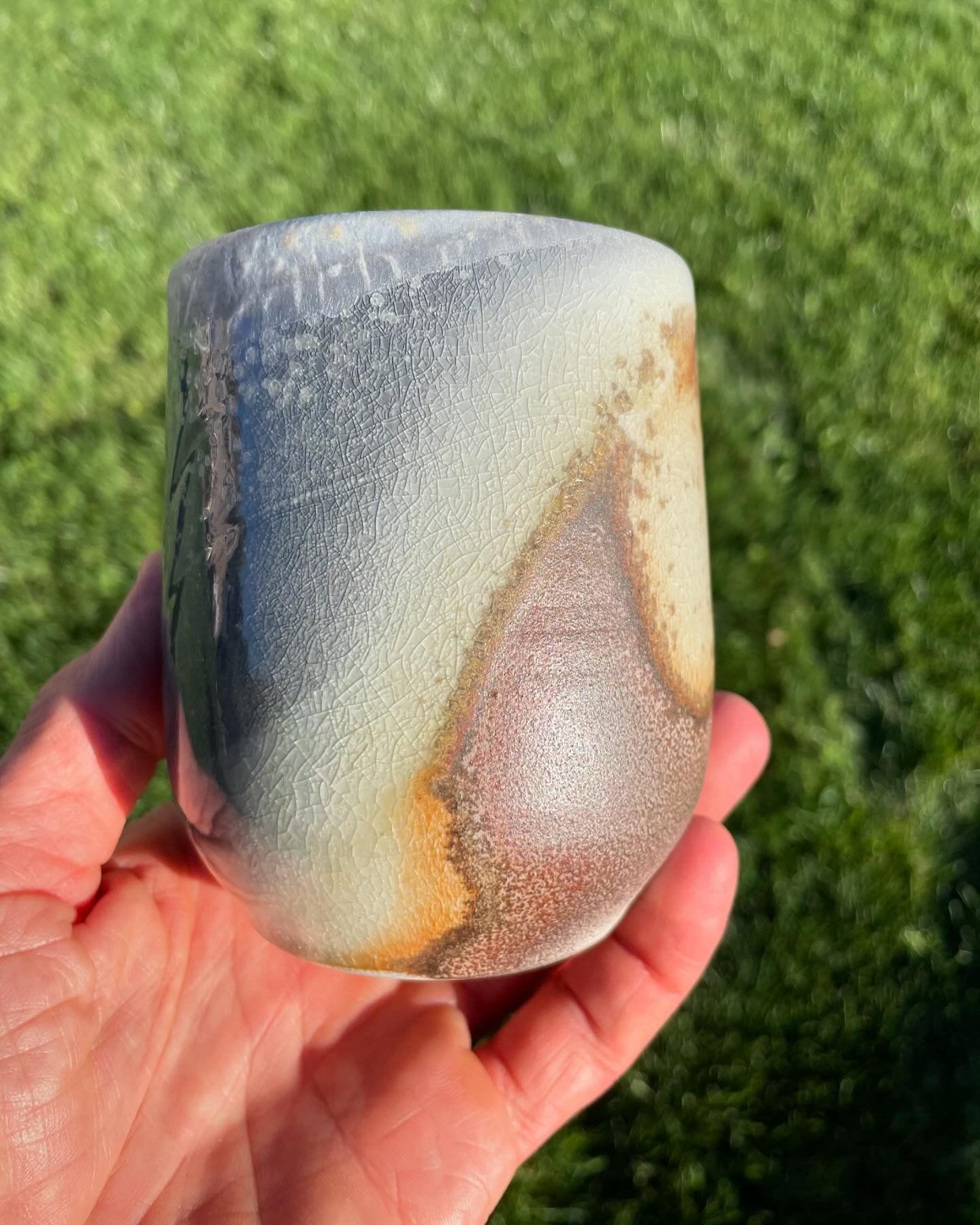
Like Dominic’s Cup, which may seem worthless to many people in terms of a dollar amount, … I prefer to use that wonderful word YET! to avoid pricing the cup right away. Because like so many people, a cup may appear beautiful and attractive on the outside, but may not function so well on the inside. Our culture teaches us that our ‘beauty’ is not enough! We must be ‘useful’ if we’re going to be ‘worth’ anything!
Some of us dig around inside ourselves trying to file away the roughness there, even though we feel our cup doesn’t really hold water. Others, aware of how worthless it is to have functional limitations, will toss the cup onto the trash heap. Still others may destroy the cup completely, hoping to salvage some of the beautiful broken pieces for other decorative projects that have nothing to do with the original intent of the cup’s creation. And on rare occasions, someone will love this troublesome cup enough to allow it to exist in its own undefined, unclassified state, and cherish it for its beautiful existence only, … in the hope that something more might be revealed about how its beauty may blend with some ‘as-yet-undiscovered’ function! A pencil holder perhaps?
I’m sure most of us have made a ‘snap decision’ at some point in our lives because we wanted to resolve an uncomfortable situation, and then we regretted not waiting a bit longer, to allow ourselves the time and patience needed to hold an object, a moment or a person in our hearts as ‘undefined’, even though we don’t know ‘YET’ how to fit them into our life.
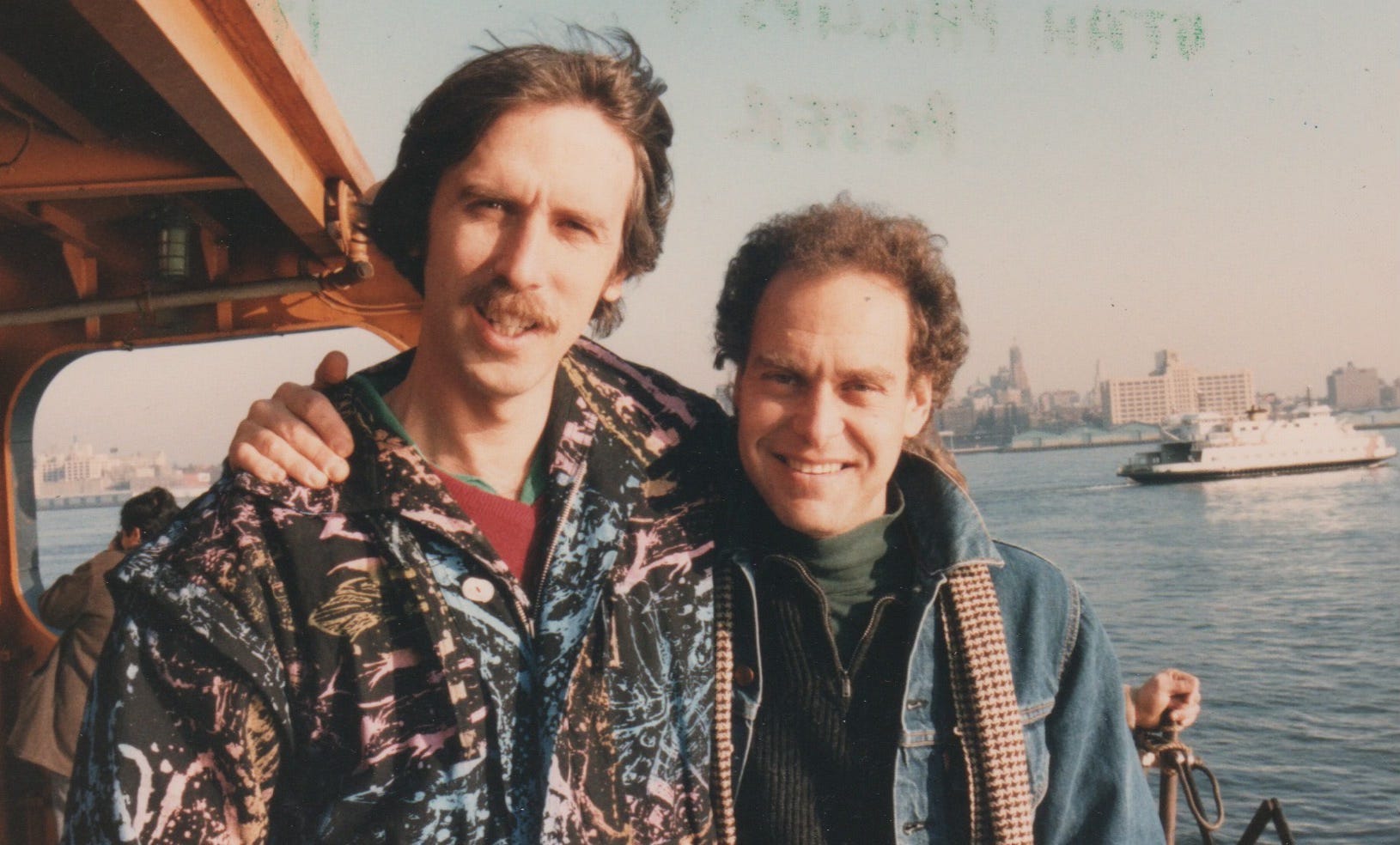
My dear old college friend Dennis Farber was an incredible artist, teacher, photographer and painter whose works are included in the permanent collection at MoMA in New York and numerous other galleries. He taught art at The Maryland Institute College of Art (MICA) in Baltimore. Before that, he made gorgeous paintings in Hawaii, using water-based Rhoplex on canvas. He would drip colors onto the canvas, then tip the canvas, … so the colors would flow beautifully into one another, spreading out on the wet parts and making miniscule rivers and streams that trickled through the dry parts of the canvas.
I love his work, and when I’d visit him from time to time, I’d explore his studio. On one visit, I noticed a gorgeous painting with a huge black swath across the middle of it.
“What’s THAT about?!” I asked him.
“Nothing special,” he said. “I just did that.”
“Why!” I asked.
“I have no idea,“ he laughed.
“Was it an accident?” He just grinned. I kept at him.
“You gonna sell it for a lot of money?”
“It’s not for sale,” he said.
Through the years, every time we spoke, I’d ask if he still had that painting, … and each time he’d say, “Yup.”
“What’s so special about that painting Den? Why hang onto it for so long?”
“I’ve been hoping that if I kept looking at it, eventually I’ll figure out why it’s special.”
“And, …?” I asked. He paused, …
“Yeah, … it’s because it’s the first painting I ever made, where I took full responsibility for making a mark on the canvas. Before that painting, I never felt ‘responsible’ for making the paintings. I just ‘tipped the canvass’. The paint and the canvas did the rest. But this painting? I made that black smear. It was me. I found a footlong rubber squeegee, got a glob of black paint, and I smeared it! For most of my life, I’ve tried to remain invisible, but with this painting, … I finally became visible.”
“What changed?” I asked. “Why didn’t you do this years ago?”
He grinned again. “I guess I wasn’t ready to be ‘seen’, … YET.”
That YET gives us time to consider things. If Dennis had abandoned his smeared painting, he wouldn’t have been able to look at it again and again, and eventually discover and understand why it was so special for him.
Brain scientists tell us that our male brains gravitate towards binary ways of seeing the world. We love to make binary choices, … and we tend to structure our challenges as binary, … one-or-the-other, black or white, right or wrong, up or down situations, … while women’s brains seem to be much more likely to search for the most desirable outcome they can find, and then figure out how to move toward that outcome.
When we see things as simple either-or choices, … it’s difficult to find a resolution that works. There are thousands of daily life situations where we face ‘either-or’ decisions that will not create a useable outcome. The complexity of our human lives requires more nuance and time for consideration than simply making a quick choice, just because we’re uncomfortable and we don’t YET! have enough information to decide how to proceed. It helps to have patience, wisdom and self-control when we make our choices, because grabbing a simple choice often leads us down a blind alley loaded with deadend cul-de-sacs and a slew of other horrendously painful choices.
So a YET at the end of a can’t sentence lifts us from feeling defeated, depressed or unworthy, because there’s the glimmer of hope that an elusive desirable outcome may still appear. as long as we stay aware and connected to the search.
And who knows, … that cup might just be perfect as a tiny cactus pot!
Thanks for stopping by. Please share this post with anyone who might find it useful!
Check out Peter Alsop’s SONGS TO CHEW audio podcast by clicking here!
To send me a comment, sign in as a Substack member by clicking the Subscribe button. It’s free! And you can always email me at peter@peteralsop.com.
I’d love to hear from you! You don’t have to be a ‘paid’ subscriber to get my posts. Everyone gets ‘em, … some folks send in money to support my work. In either case, glad you’re here! Thanks for spreading the word! Bye for now!
What a GRAND post this is Peter! And how ironic that when my kids were little and said to me: "I hate broccoli!" I always suggested: "You haven't learned to like broccoli YET!" AND, I have just such a piece of pottery in my kitchen, made by a family member which indeed I use as a PENCIL HOLDER!! Ah, my friend. We are on the same page yet again!!
A very informative and insightful piece of work....gives me a new point of view.